Summary
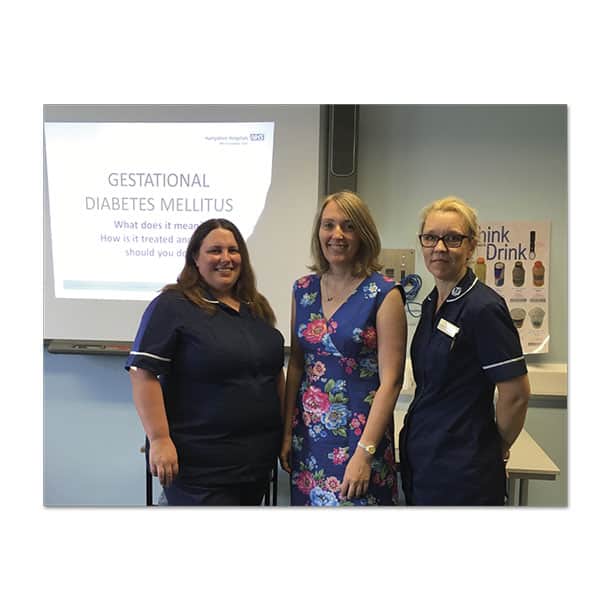
The rising incidence of gestational diabetes and inconsistent patient and foetal outcomes in Basingstoke and North Hampshire Hospital NHS Foundation Trust led to a redesign of its patient pathway for women with a positive oral glucose tolerance test. All women with a positive OGTT are invited to an afternoon session with education delivered by a diabetes nurse, diabetes specialist midwife and dietician. Women are taught home blood glucose monitoring. Review of monitoring data is carried out in a midwife led clinic that runs in parallel to our routine joint antenatal/diabetes clinic. A number of benefits have been demonstrated, with patient-reported outcomes showing the shared learning experience reduced anxiety and became a positive drive to improve diet and lifestyle. Group education is extremely cost effective and peer support, standardisation of educational materials and quality control of education are now embedded.
Results
Seventy nine patients were diagnosed with gestational diabetes with pregnancies ending in 2014-2015. Sixty five percent achieved good glycaemic control with diet/lifestyle change alone (51/79), 29% achieved good glycaemic control following addition of metformin (23/79) and 6% required insulin treatment +/- metformin (5/79). This showed signifi cant improvements when compared to previous practice despite increased numbers of patients and is higher than national reported averages of <30-55% for lifestyle alone. Mean birth weight was 2.971kg (range 1.9-4.3kg) with 4% of babies >4kg. Nationally 12% of babies are born >4kg. Maternal weight data with booking weight compared to last recorded weight pre delivery was only 5.5kg (range -3kg to +23kg). This data set is incomplete but shows and encouraging signs of reduction in maternal weight and lowering of future diabetes risk. Seventy seven percent of woman attended post natal follow-up and had HbA1c or oral glucose tolerance test recorded. No cases of diabetes were diagnosed. This compares to <30% follow up in previous practice. This reflects the value patients had for service and gave further opportunity of continuing lifestyle change, preconception advice and allows development of prevention strategies for future. Patient reported outcomes where all positive important themes reported where decrease in anxiety, able to talk freely, non-judgemental, empowering, and supportive. Patients were able to talk openly about adjustments made and willingness to take on further dietary modification if needed. The new pathway has demonstrated efficiency in use of time and resource and increased access to advice as all women received advice on diabetes, obstetrics and diet. Extra time created by avoidance of 1:1 encounters has been reallocated within service improving outcomes for other patients.
Challenge
The number of women being diagnosed with gestational diabetes is rising. Women require a multidisciplinary approach to their antenatal care. Each member of the team seeing patients individually was not sustainable without reduction in quality of information and support given. A lack of dietetic time was a main driver to change. The Trust's previous programme tended to over medicalise the experience and was not always viewed as a positive experience.
Objectives
To deliver a group education programme for women diagnosed with gestational diabetes with input from diabetes, obstetrics and dietetics which delivered comparable obstetric and maternal outcomes to existing program and made best use of the limited resources of our health care professionals.
Solution
All women diagnosed with gestation diabetes are invited to a two-hour group education session. If they are unable to attend this session due to special circumstances – such as language barrier or educational needs - a 1:1 session will be offered. The session covers issues such as effects gestational diabetes can have on the woman and the foetus; potential treatment pathway; healthy diet and necessary lifestyle changes; how to monitor blood glucose levels correctly; and what follow-up care to expect. Partners are encouraged to attend to support the learning process. Outcome data for all women with a positive oral glucose tolerance test was collected and compared to previous internal and nationally available audit data sets. The Trust pathway was designed within the existing staffing resources. The lesson plan was created based on NICE recommendations, and previous knowledge of structured education programmes, eg Expert and DESMOND.
Learnings
The results demonstrate a significant improvement in our numbers of patients achieving good glycaemic control with diet/ lifestyle and metformin alone. Fewer women required insulin therapy, further reducing the burden of insulin safety education, dose titrations and so on. Outcomes for mothers and babies have improved from baseline and a trend towards less maternal weight gain has also been observed. The most important impact has been on patient experience. Peer support and group discussions time has empowered women to voice anxieties and made significant lifestyle change.
Evaluation
The programme evaluation was measured against the team's own internal audits, published audits from other centres and national pregnancy data. The aim of care in pregnancy is to achieve St Vincent declaration goals that maternal and foetal outcomes should be comparable to women without gestational diabetes. Clear improvements in outcome have been seen and feedback was extremely positive. Efficiency in service and a multi-professional approach has improved training opportunities and proved cost effective.