Summary
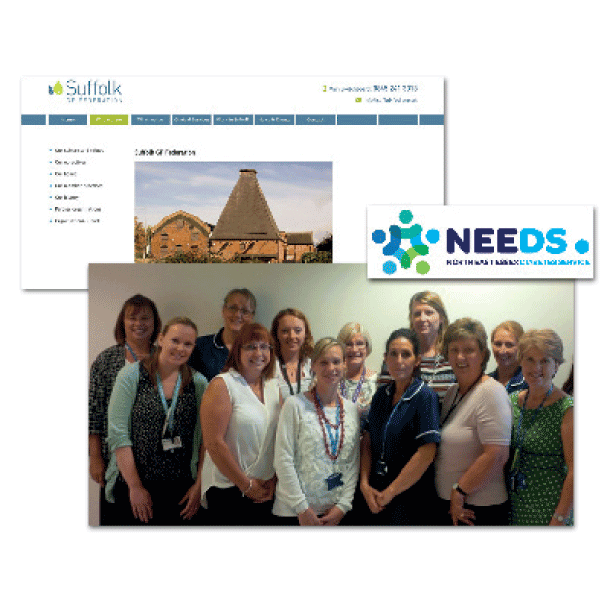
The North East Essex Diabetes Service commenced in April 2014 and brings together community diabetes, podiatry, outpatients and education, under a single lead contractor – the Suffolk GP Federation. The five-year contract, worth £2.5m, involves no additional investment and 25% is contingent on delivering Key Performance Indicators (KPIs). During its first year the service has implemented transformational change at scale across a population of 18,400 patients with diabetes. This includes creating a Diabetes Services Board which brings together patients, clinicians and managers in a forum which manages the service, and forming a single Diabetes Specialist Team consisting of consultants, specialist nurses, a GP, specialist midwife, dietician and podiatrists. The role of the team, particularly consultants, has changed from seeing patients to governance and supporting primary care.
Results
All of the targets set in the first year have been achieved, with the exception of HbA1c. Also, 39 practices participated in the new model and most care has been moved out of hospital.
Challenge
North East Essex had a higher than national prevalence of diabetes at 7.3%. Prevalence was growing at 3.8% per annum and approximately 1.7% of the population had undiagnosed diabetes. Care outcomes in the area were very mixed, with only 40.1% of patients receiving all 8 care processes. Mortality rates are higher than comparable CCGs as were lower limb amputations. Major amputation rates were twice the level of England. Patient feedback on the service was generally poor. As a result the service was tendered and Suffolk GP Federation CIC was awarded the contract which commenced on 1 April 2014, with no additional financial resources provided.
Objectives
The new service’s key objectives are to improve diabetes outcomes so that North East Essex achieves upper quartile nationally against a range of process and clinical indicators. Critically, all patients with diabetes are included in the targets and there is no exception coding. The targets include a 2% increase in patients who receive all 8 care processes, a 1.17% increase in the percentage with an HbA1c 64mmol/mol or less in the preceding 15 months (baseline 71.3%) and to maintain the percentage with diabetes blood pressure of 140/80 or less at 78.4%. It also aimed to make a 10% increase in: patients with care plans, the number of Type 1 patients receiving a foot check, patients with foot ulcers referred to podiatry and a similar increase in referrals for those with high risk feet referred, and a 50% reduction in outpatient appointments.
Solution
The model was developed by clinicians and has three elements:
- Increasing patient involvement in their care, with representation on the Services Board where they are able to influence the ongoing development of the service. Local support groups are in place across the area, including on Facebook and Twitter.
- Significant investment in primary care capacity and expertise, with most practices having a diabetes lead GP and nurse, managing a wider range of patients within their practice.
- A single Diabetes Specialist Team consisting of consultants, specialist nurses, a GP, specialist midwife, dietician and podiatrists have been focused on supporting the transfer of skills into primary care, reducing the number of patients seen in outpatient appointments and increasing the number seen in a community or primary care setting.
Underpinning the model was a data collection plan involving monthly extraction of a large range of process and outcome measures from each GP practice. This data is used to measure progress, identify practices to target for support and to allow practices to compare their performance.
Learnings
Commissioners and providers need to be brave and take a leap of faith. To get change you need really good and visible clinical leadership. Discharging patients from hospital and transferring their care to the community was a high clinical risk – but this was mitigated by ensuring that any complaints were dealt with directly by consultants. This direct responsive peer-to-peer conversation is an excellent way of reducing the escalation of an issue. It is difficult to recruit patients onto empowerment programmes and to increase engagement more generally. Implement as many of the larger changes as early as possible e.g. TUPE, changing the role of consultants and shifting work out of hospitals. Although this will create ‘change fatigue’ it is better to get it out of the way. Clinical coding is a major issue, particularly around foot conditions, and the team invested in an administrator visiting practices to help them with their coding. Changing the role of the consultant and specialist nurses is a significant challenge and could be very time consuming particularly if they have a very hospital-centric world view - gaining senior clinical leadership support from within your acute provider is very helpful. Getting the system to deliver quality data takes some time and there are many pitfalls.
Evaluation
There have been significant improvements in process and clinical outcomes: most of this data is captured from the monthly primary care extracts.