Summary
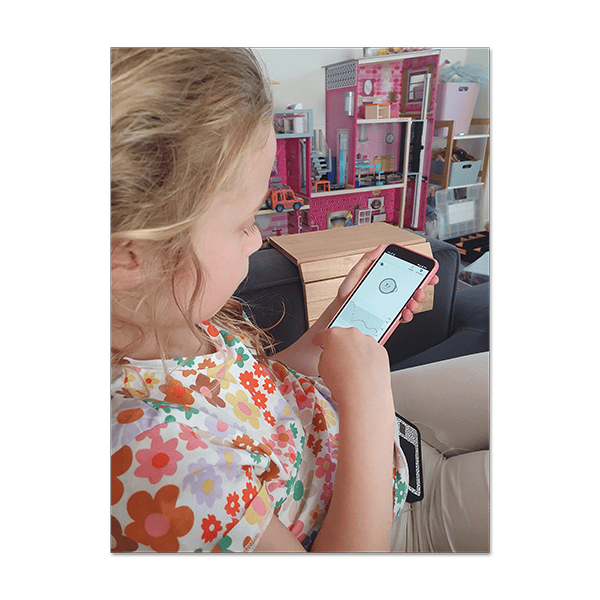
Diabetes technology is developing rapidly; insulin pumps and continuous glucose monitors (CGM) increasingly require compatible mobile phones and laptops for them to be used efficiently and effectively. High levels of deprivation across NE and N Cumbria (NENC) are creating barriers for some families to access this life-changing technology. Simultaneously, hospital trusts need to consider the environmental and sustainable impact of disposing of unneeded IT equipment. This project brings these two challenging situations together and creates a solution for them both by donating repurposed NHS equipment to families to access diabetes technology and improve outcomes.
Innovation
Diabetes technologies, such as insulin pumps and CGM, improve the health and quality of life outcomes of children and young people (CYP) living with diabetes. However, there is persistent inequality in the uptake of such technology among families in ethnic minority groups and low-income households. In NENC, 34% of CYP live in poverty and 49% of those with diabetes live in the most and second most deprived quintiles. This project aimed to level-up access to diabetes technology across the CYP diabetes community. The COVID-19 pandemic highlighted an emerging ‘digital divide’. Several charities began to offer refurbished equipment. The CYP diabetes teams in the NENC region accessed a limited amount of equipment to support their families during the pandemic, but availability was sporadic and unreliable. After the pandemic, charities stopped the service. The CYP NENC Diabetes Network used NHSE Levelling-Up Access to Technology funding for a project to refurbish unneeded NHS devices and give them to families so they could access diabetes technology. It was estimated that over 400 families across the NENC could be supported. A collaboration of services developed, with equipment donated from Gateshead Health NHS Foundation Trust, project management from the CYP NENC Diabetes Network leadership team and charity partners Investing in Children and Town and Community. This partnership added minimally to the workload of paediatric diabetes healthcare professionals (HCPs). In addition, Vodafone supplied SIM cards for the phones that were donated.
Equality, Diversity and Variation
This project was designed to tackle the variation in accessing diabetes technology by patients living in low income households. The diabetes team at the QE Hospital in Gateshead had participated in a parallel programme called ‘Poverty Proofing’, delivered by the charity Children NE, to tackle misconceptions around poverty and ensure healthcare services were accessible to all. One theme highlighted was the inability of some families to access diabetes technology because of their financial situation. Poverty Proofing training was offered to the wider CYP NENC Diabetes Network members, regarding the issue of the shame/embarrassment of accessing items via ‘charity’. To combat this, referral into the project was made standard practice for all families; everyone offered diabetes devices to improve their diabetes management was also offered a mobile phone and/or laptop and/or SIM card from the project. The majority of households accessing the project were in the lower deprivation deciles. By the end of June 2023, 107 referrals had been received. Of these, 27% were in the bottom 10% and 40% were in the bottom 30%. These referrals and subsequent receipt of a phone, laptop or SIM card allowed CYP to access technology such as CGM, insulin pumps and Hybrid Closed Loop systems. Families could upload their data for their clinical team to view, allowing the clinics to give advice remotely and save families travelling to clinic.
Results
Aside from the devices supplied to families, there have been benefits to the wider system. Input from HCPs was deliberately kept to a minimum; their workload was ever increasing, but their engagement in the project was essential. A sound process assured early success: phones/laptops were repurposed and given to the T1 Kidz family support team for secure storage; HCPs referred a family via a simple, online form to the T1 Kidz team; over a three-week lead time the T1 Kidz team matched a phone/ laptop to the family’s needs; the phone/laptop was delivered in person to support set up, or by courier if the family was confident; the family attended clinic appointment/ diabetes device start with the phone/laptop, which was theirs to keep. Gateshead Health NHS Foundation Trust was the only donation site. The devices were appropriately repurposed with ADISA certification via the partnership with Town and Community. This project is expected to show improved diabetes health outcomes over the long term; in the short term, quality-of-life benefits are fed back to the project team. The second element of this project was to speak to hospital trusts about disposal of their unneeded technology and relevant NHS departments are being shown the possibilities that this project opens up. In addition, diabetes technology companies were approached about donating equipment to the project, with one company agreeing to donate all its unneeded company phones and laptops. Another bonus was to succcessfully persuade one of the technology companies to add a new model of phone to their compatibility list, as a large number of donated phones were not compatible with one of the devices. The project received funding from the NHSE Inequalities Access to Technology fund in October 2023 for the involvement and support of trained, professional partners across the ICS. This enabled assessment of the feasibility of delivering and replicating the project, while identifying ways to reduce project costs.
User Feedback
Every patient that receives a device is asked to complete an impact report and share feedback. Positive comments were received from patients and HCPs. Contact is maintained with referring HCPs, with feedback reviewed and changes implemented.
Dissemination and Sustainability
The project is accessible to HCPs in the eight acute trusts supporting almost 1,800 families living with diabetes across the NENC ICS, currently focusing on CYP. Creating a robust, replicable project model was central and integral to the funding application. There will be a report and step-by-step guide to deliver similar projects in other regions and for other health conditions. The joint remit has attracted attention from departments across the NHS and externally