Summary
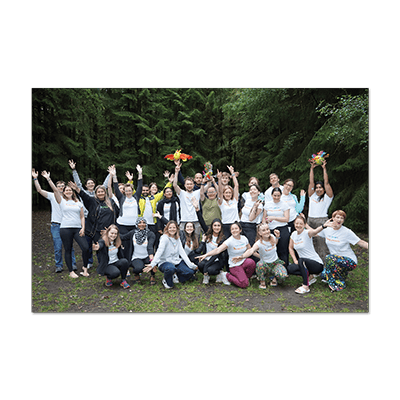
The League of Diabetes (LOD) camp for young adults with type 1 diabetes (T1D) transitioning to adult care is a three-day residential event that includes outdoor activities, educational sessions and opportunities to hear stories from others living with T1D. Organised by the Diathlete charity, the camp aims to foster a supportive community. The first camp was held in 2019. In 2024, 50 people were registered and the event partnered with local NHS teams. After the camps, some participants discussed and started diabetes technology and experienced improvement in acceptance and reduced feelings of loneliness.
Innovation
Gavin, founder of Diathlete, and his wife Paula, who live with T1D, are passionate about the power of face-to-face opportunities and connections between adults with T1D. The camp’s three-day programme combines outdoor activities, such as kayaking, with educational sessions on diabetes management. This fosters teamwork, confidence and trust among participants, while providing practical diabetes management skills. Educational sessions cover topics including exercise management, diabetes technology and mental health. The sessions are interactive and engaging, encouraging participants to share experiences and learn from each other. The camp focuses on young adults transitioning to adult care and addressing their unique psychological and social needs. Peer mentors and camp staff, many of whom have T1D, provide relatable role models and practical advice. By sharing their own experiences, mentors help participants feel understood and supported, reducing feelings of isolation and anxiety. Participants are encouraged to discuss their experiences with different diabetes management technologies and practices around a campfire. All activities are supervised by trained professionals, with healthcare providers on-site to manage any medical issues. Participants receive thorough pre-camp briefings on safety protocols and diabetes management during physical activities. The objectives are to enhance psychological empowerment, increase self-management skills and encourage the adoption of advanced diabetes technologies. Partnerships with NHS teams highlight the camp’s effectiveness in improving transitional care strategies, and the initiative has been recommended for integration into regular care practices. This project is unique in its holistic and immersive approach. Unlike virtual appointments or purely educational programmes, the LOD camp addresses the social and psychological needs of young adults with T1D, fostering a supportive community that helps them feel more empowered about diabetes management.
Equality, Diversity and Variation
To ensure those from diverse socioeconomic backgrounds can attend the camp, there is a ‘sponsored ticket’ option for those who cannot afford the £50 fee. Scholarships and financial aid enable adults from low-income families to attend. Adaptations are made to ensure accessibility for individuals with different levels of physical ability and trained staff assist them. Participants have joined from Europe, the Middle East, Latin America and Africa, where there are no adult peer support events. The needs of participants from different cultural and ethnic backgrounds are addressed by providing specific dietary options and sleeping arrangements. The programme is designed for participants with varying degrees of diabetes management experience and treatments. Culturally sensitive and inclusive educational content is based on consultations with healthcare providers and community leaders from diverse backgrounds, with discussions included on how cultural practices and beliefs may impact diabetes management. Pre-camp assessments to understand the individual needs of each participant enable support and resources to be tailored. A continuous feedback mechanism allows real-time adjustments to ensure the programme meets the needs of all participants.
Results
The first camp for adults with T1D was organised in 2019 at Gilwell Park, with 25 participants from the UK, India, Pakistan, Latin America and Europe. The second camp took place at Aldershot’s Runways End Outdoor Centre, attracting 30 participants from the UK, Ireland, Greece, Kuwait and Italy. In 2024 the camp registered 50 participants, mainly from the UK. Participants from Europe, Asia, and Latin America attended to enjoy the programme and to share ideas with their national diabetes charities on developing similar camps. In Latin America, a participant set up a one-day programme, with plans for a three-day residential later in the year. The 2023 camp led to an alliance with the University Hospital of Southampton and Southern Health NHS Trust to allow 10 young people to attend the camp, accompanied by diabetes team staff. Participants felt encouraged to discuss diabetes technology with their diabetes teams. Two participants in 2023 were initially skeptical about insulin pump therapy but, after discussing with others, they decided to try insulin pumps, resulting in improved HbA1c levels and better time in range. Participants also appreciated the opportunity to talk about life with diabetes with other adults, not just their diabetes team. This positively impacted their mental health, technology uptake and engagement with diabetes management. The charity will apply for grants in 2025 to reduce dependence on pharmaceutical and MedTech sponsorships. Forming alliances with hospitals is also a strategic goal, enabling hospital teams to fund the participation of their patients and staff.
User Feedback
Feedback was collected via MS Forms sent to participants after attending the camp. They reported positive and motivating experiences.
Dissemination and Sustainability
The project has reached adults living with T1D from countries including the UK, Ireland, France, Italy, Kuwait, India, Pakistan, Costa Rica, Chile and Brazil. In 2024 a participant from the Sonia Nabeta Foundation in Uganda planned to shadow the camp. The project will be replicated in different parts of the UK, such as Northern Ireland, where an NHS team is interested in collaborating. The charity wants to collaborate with NHS teams and organisations to increase reach and impact. The camp aims to enhance patient experience by using game-based learning techniques to educate about T1D. These techniques have engaged participants and improved their understanding of diabetes management. Diathlete plans to multiply volunteer teams to develop more camps. Diathlete (LOD) will publish a guidebook on delivering game-based learning techniques for T1D education. It will include the camp strategy and will be supported by a consultancy programme to assist other organisations and hospitals in implementing the initiative. This structured approach will make it relatively straightforward for other services to adopt and implement the adult camp model.