Summary
The COVID-19 pandemic meant many diabetes staff were redeployed to support general inpatient care. Information from London and Italy suggested people with diabetes and COVID-19 infection had poorer outcomes, and that the infection might trigger new onset diabetes. In response, the National Diabetes Inpatient COVID-19 Response Group was convened in the last week of March 2020. Its purpose was to maintain consistent support for people with diabetes and provide COVID-specifi c guidance for specialists and non-specialists. Specialists in diabetes, pharmacy and psychology, from all four UK nations, met weekly, or more often, to create a series of pragmatic guidance documents.
Innovation
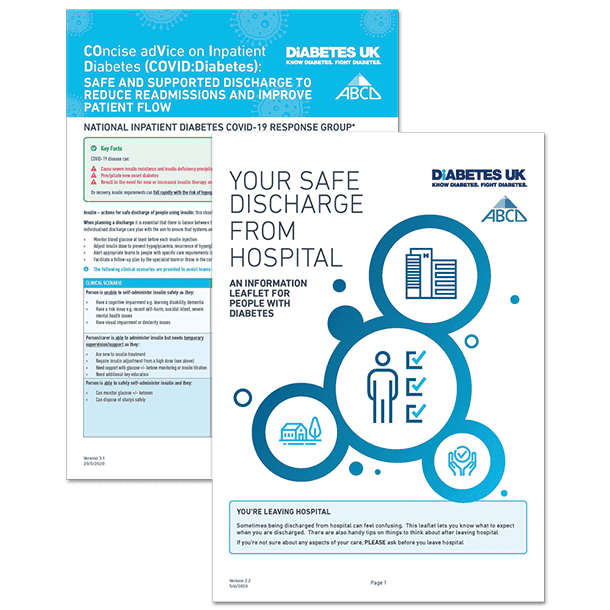
At the beginning of the pandemic many diabetes specialists were redeployed, contributing to increased variation of care. Clinicians from across the UK came together to pool their specialist knowledge and produce guidelines to offer a consistent approach to improve outcomes. Each guideline was put together in weeks, with the collaborative meeting regularly in the evenings. At the time there was no other specific COVID-19 diabetes guidance/advice available. Seven sets of documents were produced. These included: 1. Documents to maintain and support diabetes teams. These three documents described the vital role diabetes teams played in the crisis and advised which essential diabetes services should remain during the pandemic. The Speciality Template demonstrated how to redeploy a reduced diabetes team and, combined with the SBAR (Situation, Background, Assessment and Recommendations) went to all Directors of services in Trusts/Health boards in the second wave. In many Trusts this led to more effective deployment of diabetes teams. 2. Front door guidance. Early in the pandemic it was apparent that COVID-19 in people with or without previous diabetes increased the risk of severe hyperglycaemia, DKA and HHS. The guidance alerted admitting units to this risk, to check glucose in all admissions and ketones if hyperglycaemic. It provided advice on emergency diabetes management, which medications to stop, and general advice. 3. Guidance for managing inpatient hyperglycaemia. In view of the severe insulin resistance encountered, reports that moderate hyperglycaemia was associated with worse outcome, and limited availability of IV insulin pumps, this guideline provided a modified high dose basal-bolus regime. It intervened at a BG>12 mmol/l, lower than usual. It was used successfully across the UK. 4. Dexamethasone/glucocorticosteroid therapy in COVID-19 patients. The news that treatment with highdose glucocorticoids improved outcomes in people with COVID-19 infection, though welcomed, raised concerns around effective glucose management. These medications affect glucose metabolism directly, which, combined with COVID-19-associated insulin resistance and impaired beta cell function, impacts people with and without diabetes. The guidance used a similar basal-bolus regimen to that in the hyperglycaemia guideline, but employed even higher insulin doses. Emphasis was also given to rapid dose de-escalation on stopping steroids to prevent hypoglycaemia and close follow-up on discharge. This guidance is in widespread use across the UK. 5.Hyperclycaemia/ diabetes guidance for virtual wards. This was produced to support the safe management of hyperglycaemia in those receiving glucocorticoid treatment for COVID-19 infection outside of a hospital environment. It was simplified, given the less intensive support that might be available in these environments. The final two guidelines were: 6.Guideline for managing DKA using subcutaneous insulin and 7. Safe and supported discharge to reduce readmissions and improve patient fl ow.
Results
The objective was to produce brief, essential guidance which could be easily implemented in any Trust. The success is reflected in very positive feedback, both formally and informally, publications of the documents and invitations to present the work at many conferences/webinars nationally and globally. Downloads from the ABCD and Diabetes UK websites totalled 30,000.
User Feedback
An ABCD survey received responses from 188 consultant members, published in BJD journal. Answers to the question ‘Have you found the ABCD COVID-19 web pages useful?’ were: Yes 130; No 3; I’ve not looked 55. User feedback included this testimonial from Hannah Beba, County Durham and Darlington NHS Foundation Trust: “I cannot say enough good things about these guidelines. These guidelines kept our diabetes patients safe during what was an incredibly uncertain time. There use transcended diabetes teams being used by all specialities and by the full multidisciplinary team. From a personal point of view it was fantastic to get the pharmacists educated quickly on these guidelines and for them to have a workable document to use and signpost to.”
Dissemination and Sustainability
All guideline documents are downloadable from the ABCD and DiabetesUK websites. There have been four publications in Diabetic Medicine and guidance on remodelling of diabetes services has been included in a publication in the European Journal of Endocrinology. There have been national and international presentations. Members are looking to standardise further national pathways for emergency care and discharge.