Summary
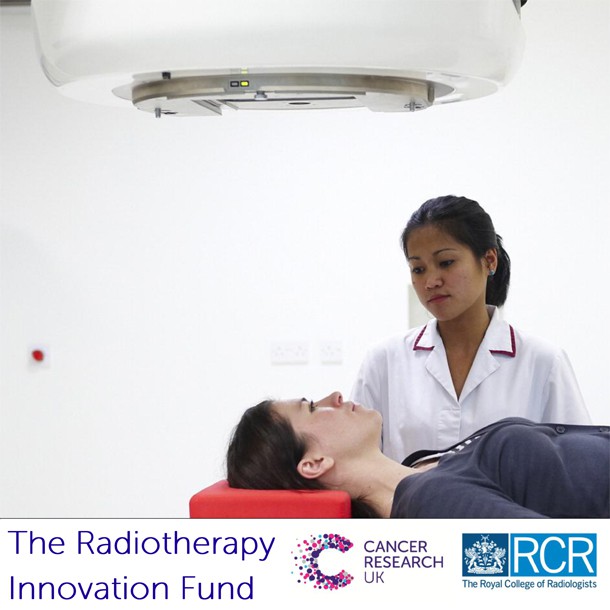
Cancer Research UK’s ‘A Voice for Radiotherapy’ campaign highlighted inequalities in access to radiotherapy treatment and called for action to make the service among the best in Europe. The charity collected over 36,000 signatures in a petition and presented them to the Prime Minister. This contributed to a government commitment that all patients will receive the innovative radiotherapy they need, and alongside this launched the Radiotherapy Innovation Fund, to help increase the availability of an advanced type of radiotherapy called Intensity Modulated Radiotherapy.Challenge
Radiotherapy contributes to four in 10 cancer cures, second only to surgery in its effectiveness at treating cancer. Over the years, however, it has lacked the necessary support to develop into a world-class service in the UK. Thousands of patients have therefore missed out on treatment.
They are also missing out on newer, more accurate types of radiotherapy, such as Intensity Modulated Radiotherapy treatment (IMRT) which has been given to only 7% of radiotherapy patients in England in 2011/ 12.
Objectives
The main objective was to ensure that patients get the best, evidence-based, radiotherapy treatment for their condition. Within this were several initiatives.
The A Voice for Radiotherapy campaign called on the government to make radiotherapy services the best in Europe, to start tackling unequal access to radiotherapy, and to ensure all services had appropriate workforces.
Cancer Research UK was asked by the Department of Health to help distribute the Radiotherapy Innovation Fund across all 50 treatment centres in England. The objective of evaluating the Fund was to see what impact it had on patient access to IMRT.
Solution
The ‘A Voice for Radiotherapy’ campaign focused on people whose lives had been saved by radiotherapy. Appeal emails were written by ‘Cancer Campaign Ambassadors’, and videos were made of people talking about how radiotherapy had saved their lives. Activities were extremely targeted, focusing on Number 10, the Department of Health, and key MPs and peers.
The team asked MPs and peers to raise the issue through parliamentary questions and by letter. Press stories and blog posts on key developments highlighted the importance of radiotherapy and the need for policy action.
Helping distribute the Radiotherapy Innovation Fund allowed the team to visit the NHS regions and to discuss with the centres what they needed.
Results
The A Voice for Radiotherapy campaign collected 36,000 signatures on a petition. This was then delivered to Number 10. In October 2012, the government promised that all patients would have access to cost-effective radiotherapy from April 2013. In November 2012, the Department of Health published a report on radiotherapy services in England, in response to Cancer Research UK’s call for a radiotherapy action plan.
Learnings
Among the lessons learnt was the potential for achieving much with limited resources, and that choosing an issue not already over publicised makes it easier for your voice to be heard. The team also discovered that being part of the solution can be beneficial, as with their involvement in the Radiotherapy Innovation Fund.
Using existing strengths also worked for the team, as when they looked at their research mechanisms and used them to apply a fair and transparent framework to distributing the fund.